Client Retention Strategies That Actually Work for Groomers
New clients cost more; loyal ones grow profit. Smart retention builds lasting grooming bonds daily
%20Client%20Retention%20Strategies%20That%20Actually%20Work%20for%20Groomers.avif)
Getting a new client costs five times more than keeping an existing one. That's not a grooming statistic — it's a business truth that applies across industries.
Yet many groomers spend energy chasing new clients while taking existing ones for granted. Retention deserves more attention than it gets.
Here’s what actually keeps clients coming back.
Why Retention Matters More Than Acquisition
The Math
A loyal client who visits every 6 weeks for 10 years books over 80 appointments. That's thousands in revenue from one relationship — without any marketing cost after the first booking.
The Referral Effect
Satisfied long-term clients refer others. One retained client can generate multiple new clients organically.
The Stability
Consistent returning clients create predictable revenue. New client flow fluctuates; retention provides a reliable baseline.
Retention Starts with Experience
No strategy overcomes bad service. The foundation of retention is simple: do good work and treat people well.
What “Good Experience” Means
- Quality grooming (obviously)
- Professional communication
- Reliability and punctuality
- Genuine care for pets
- Pleasant interactions
Get these right and retention happens naturally. Get them wrong and no tactics will help.
Rebooking at Checkout
The simplest retention tactic is also the most effective.
Ask Every Time
“Would you like to schedule Bailey’s next appointment before you go?”
Not “do you want to…” but “would you like to…” Positive assumption works better.
Make It Easy
Pull up the calendar. Show available times. Handle it right there. The more friction, the lower the booking rate.
Why It Works
Clients who leave without booking become “I’ll call later” clients. Later rarely happens. Competition captures them. Life gets busy.
The Data
Groomers who consistently rebook at checkout report 70–80% prebooking rates. Those who don’t ask hover around 30–40%.
Automated Reminders
Clients forget. Reminders fix that.
What to Send
- Appointment confirmation at booking
- 48-hour reminder
- 24-hour reminder
- Day-of reminder (optional)
How to Send
- Text (highest engagement)
- Email (works for some demographics)
- Phone calls (time-consuming but sometimes necessary)
Automation Is Key
Manual reminders don’t scale and get forgotten. Systems like Teddy send reminders automatically once appointments are booked. Set it up once, benefit forever.
Impact
Automated reminders reduce no-shows by 30–50%. They also prompt rebooking — clients who see a reminder often schedule their next appointment.
Between-Visit Communication
Stay present between appointments without being annoying.
Birthday Messages
Pet birthdays or adoption anniversaries.
Quick text: “Happy birthday to Max! See you soon for his grooming.”
Requires tracking birthdays, but personalization matters.
Seasonal Tips
Quick grooming advice relevant to the season: shedding reminders, winter coat care, summer heat tips. Positions you as the expert while staying top of mind.
Post-Groom Photos
Not between visits exactly, but share photos after grooms. Clients share them on social media. You stay visible. Future bookings feel natural.
Making Rebooking Easy
Every friction point loses clients.
Online Booking
24/7 availability. Clients book when they think about it — not when you’re answering phones.
Multiple Contact Methods
Some clients prefer text. Others want to call. Meet them where they are.
Consistent Availability
Predictable scheduling helps clients plan. Erratic availability makes booking harder.
Waitlist Management
When you're booked, capture clients who want earlier appointments. Contact them when cancellations open slots.
Loyalty Programs
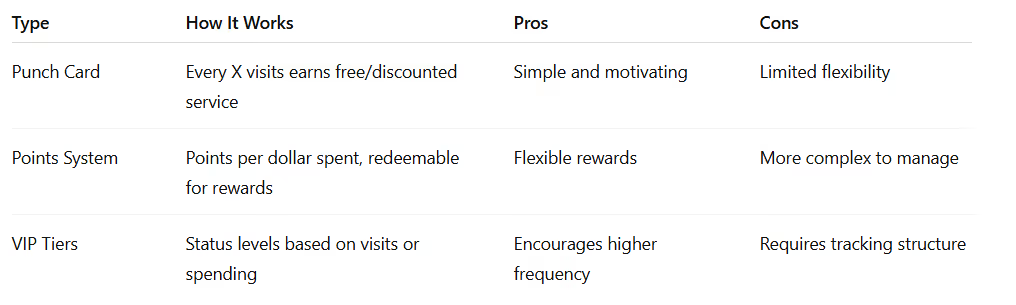
Formal recognition of repeat business.
Common Loyalty Structures
What Works
Simpler is often better. A punch card that’s easy to understand outperforms complex systems that confuse clients.
Implementation
Can be paper-based for small operations. Grooming software often includes loyalty tracking for easier management.
Handling Problems Well
How you handle issues determines whether clients stay.
When Something Goes Wrong
- Acknowledge immediately
- Apologize sincerely
- Make it right without prompting
- Follow up to ensure satisfaction
The Paradox
Clients whose problems are handled well often become more loyal than clients who never experienced an issue. Your response demonstrates care.
Never
- Become defensive
- Blame the client
- Minimize concerns
- Delay resolution
Personal Connection
People return to people they like.
Remember Details
Pet quirks. Family updates. Vacation plans. Personal touches show clients they’re seen as individuals.
Use Names
Pet names especially.
“How’s Cooper doing?” beats “How’s the dog?”
Genuine Interest
Not performed interest — real curiosity. If you don’t care, it shows. If you do, that shows too.
Convenience Creates Loyalty
Make doing business with you easy.
Flexible Scheduling
Offer options that fit clients’ lives. Some need early mornings. Others need weekends.
Mobile Grooming
The ultimate convenience — you come to them. Mobile groomers often see higher retention because switching means sacrificing ease.
Payment Options
Easy payments. Tips optional. No awkwardness around money.
Communication Preferences
Respect how clients prefer to be contacted. Some dislike calls. Others ignore texts.
Recognizing Warning Signs
Catch clients before they disappear.
Red Flags
- Longer gaps between appointments
- Reduced responsiveness
- Expressed dissatisfaction
- Canceled appointments without rebooking
Intervention
Reach out to clients showing warning signs:
“We haven’t seen Bella in a while — everything okay?”
Sometimes it’s nothing. Sometimes they’re drifting.
Win-Back Offers
For lapsed clients, a simple “we miss you” message with a small incentive can revive relationships.
Technology for Retention
Tools that systematize retention.
Core Tools and Their Role
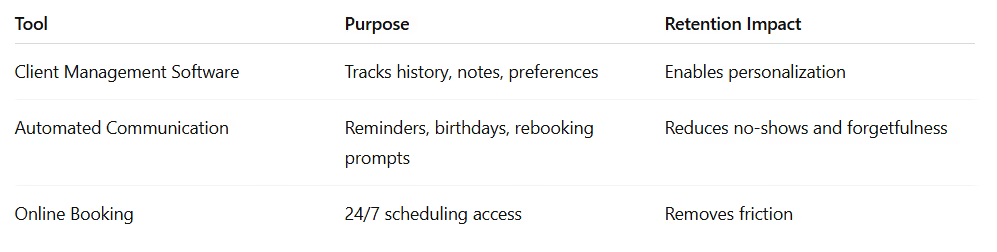
Teddy handles all three — client records, automated messages, and online booking — in one platform. Consolidation makes retention systematic rather than sporadic.
What Doesn’t Work
Constant Discounting
Trains clients to expect deals. Devalues your service. Attracts deal-seekers, not loyal clients.
Desperate-Seeming Outreach
“We really need you to come back!” signals instability. Maintain confidence.
Ignoring Problems
Hoping dissatisfaction disappears never works. Address issues directly.
Over-Communication
Weekly emails for monthly clients feels excessive. Match communication to relationship intensity.
Measuring Retention
Key Metrics
- Rebooking rate (percentage who book next appointment)
- Visit frequency (average time between appointments)
- Client lifespan (how long clients remain active)
- Attrition rate (clients lost per period)
Tracking Overview
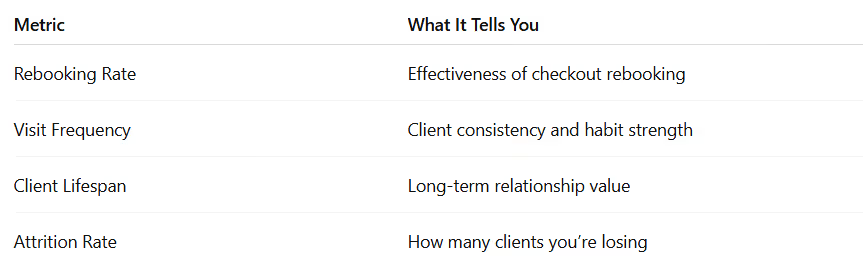
Grooming software typically provides these metrics. Review quarterly to identify trends and patterns.
Frequently Asked Questions
What’s a Good Rebooking Rate?
70%+ is excellent.
50–70% is solid.
Below 50% suggests room for improvement.
How Often Should I Contact Clients Between Visits?
It depends on visit frequency. Every 6–8 weeks for typical clients is reasonable. Avoid over-communication.
What If a Client Stops Responding?
Try different channels. Send a friendly “we miss you” message. After multiple attempts with no response, respect their decision — they may have moved or switched groomers.
Should I Offer Discounts to Retain Clients?
Rarely. Discounts train clients to expect them. It’s better to deliver exceptional service worth full price.
















.avif)