How to Build a Referral Engine for Your Grooming Business
Referrals bring the best clients—here’s how to turn happy customers into steady new bookings

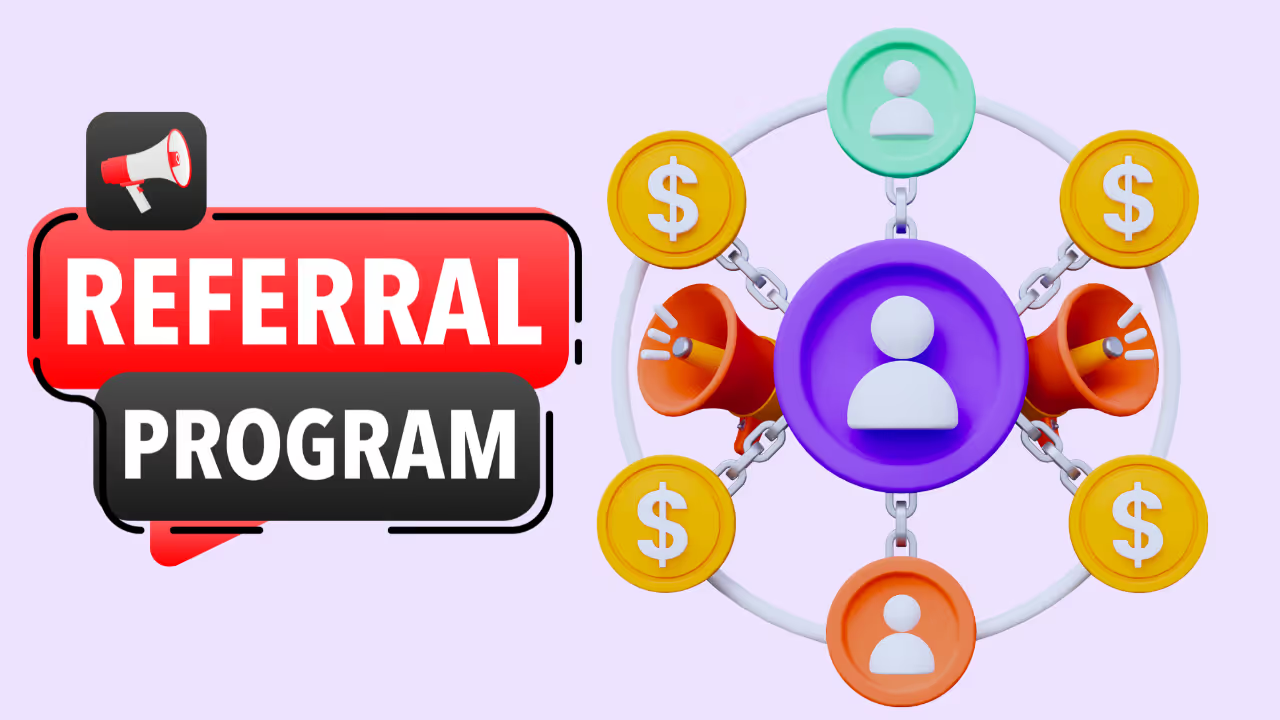
Why Referrals Beat Every Other Marketing Channel
Ask any fully booked groomer where their clients come from, and the answer is almost always the same: referrals. Not Instagram ads, not Yelp, not the coupon in the neighborhood flyer. Word of mouth from a happy client who told their dog park friend about you.
Referrals are the gold standard for three reasons. First, they come pre-sold — someone they trust already vouched for you, so the new client arrives with confidence instead of skepticism. Second, they tend to be higher-value clients who stick around longer and tip better. Third, they cost you nothing. Zero ad spend, zero marketing budget. Just a great groom and a client who feels appreciated enough to tell someone about it.
The problem? Most groomers treat referrals as something that happens organically. They don't have a system. And when you don't have a system, you're leaving your best marketing channel up to chance.
Step 1: Deliver a Referable Experience
Before worrying about referral programs and incentives, make sure you're delivering an experience worth talking about. People don't refer average. They refer remarkable — and in grooming, remarkable often means the details.
Remember their dog's name without checking. Notice something about the coat and mention it. Send a follow-up text with a photo of the finished groom. These small touches make a client feel seen, and feeling seen is what drives word of mouth.
The groom itself needs to be excellent, obviously. But the experience around the groom — the communication, the care, the follow-up — is what turns a satisfied client into an evangelist.
Step 2: Ask at the Right Moment
The best time to ask for a referral is right after a great experience. When a client picks up their dog and their face lights up — that's the moment. Not three days later, not in a generic email blast. Right then.
Keep it casual and genuine. "I'm so glad you love how Max looks! If you have any friends with dogs who need a groomer, I'd love to take care of them too." That's it. No hard sell, no pressure. Just a simple, warm invitation.
If you're not comfortable asking face to face, include it in your follow-up text. A message like "Thanks for bringing Max in today! We'd love to help any friends or family who need grooming — feel free to share our booking link" works just as well.
Step 3: Make Referring Effortless
The biggest barrier to referrals isn't willingness — it's friction. Your client wants to recommend you, but when their friend asks "who do you use for grooming?", they have to dig through their texts for your number, or try to remember the name of your website. By the time they do, the moment has passed.
Remove the friction. Give every client a simple way to share your booking link. Text it to them after their appointment so it's in their recent messages and easy to forward. If you use [client management software like Teddy](https://tryteddy.com), you can send follow-up texts with a booking link that clients can share with one tap.
Some groomers create a simple referral card — physical or digital — with their booking link and a QR code. Hand it out after appointments or include it in follow-up messages. The easier you make it, the more referrals you get.
Step 4: Create a Simple Incentive Program
Incentives aren't required for referrals, but they help. A simple structure works best: when a client refers someone who books and completes their first groom, both the referrer and the new client get a reward. That might be $10 off their next appointment, a free add-on service (teeth brushing, nail grinding), or a small product sample.
Keep it simple. One rule, one reward, no complicated tracking. You can manage this with a note in the client's profile or a simple spreadsheet. Some grooming platforms let you tag clients with referral credits, which makes it even easier.
The key is that both parties benefit. The referrer feels rewarded for recommending you. The new client gets a welcome discount. Everyone wins.
Step 5: Recognize and Thank Your Referrers
When a referral comes in, go out of your way to thank the person who sent them. A quick text — "Hey! Sarah mentioned you sent her our way. Thank you so much! Your next groom is on us for the teeth brushing add-on" — goes further than any formal program.
Recognition is powerful. People who feel appreciated refer more. Over time, you'll notice that a handful of clients are responsible for the majority of your referrals. These are your champions. Treat them like VIPs. Remember their birthdays. Prioritize their scheduling requests. Give them early access to new services.
Step 6: Track Where New Clients Come From
Add a "How did you hear about us?" field to your intake form. This one question tells you which marketing channels actually drive business. If 60% of new clients come from referrals, you know to double down on making your existing clients happy rather than spending more on ads.
Track this monthly. Over time, patterns emerge. Maybe your dog-park clients refer more than your social-media followers. Maybe one particular client has referred 12 people. This data helps you focus your energy where it matters most.
The Referral Flywheel
Once your referral engine is running, it creates a flywheel. Great service leads to happy clients. Happy clients refer friends. Referred clients become happy clients themselves. They refer more friends. Your calendar fills without advertising, and every new client starts with built-in trust.
It takes a few months to build momentum, but once the flywheel is spinning, it's the most sustainable growth strategy in the grooming business. No algorithm changes, no ad spend, no chasing trends. Just great work and clients who want to share it.





















.avif)