State of the Pet Grooming Industry 2026
Demand, mobile growth, software and AI adoption, and the labor squeeze

Step back from the wash tub for a minute. The grooming trade you're working in looks different than it did even three years ago — not in the craft, but in how clients find you, book you, and expect to be communicated with, and in the tools quietly reshaping the back office. This look at pet grooming industry trends 2026 pulls together where the business is heading, so you can make decisions with the current instead of against it.
A note on numbers: hard, current figures for a niche trade are genuinely hard to pin down, so this leans on directional trends rather than invented precision. Where you see a claim, treat it as the shape of the change, not a statistic to quote.
Demand is steady, and clients are pickier
The foundation is solid. Dog ownership remains high, and grooming is one of the more recession-resistant pet spends — people cut back on toys before they let a doodle pelt. But the client has changed. They found you on Google, they read your reviews, and they expect to book online and get a text confirmation. The groomers struggling aren't the ones with weaker scissor work; they're the ones still running a phone-tag booking process a modern client won't tolerate.
The trends worth watching
Mobile keeps eating share
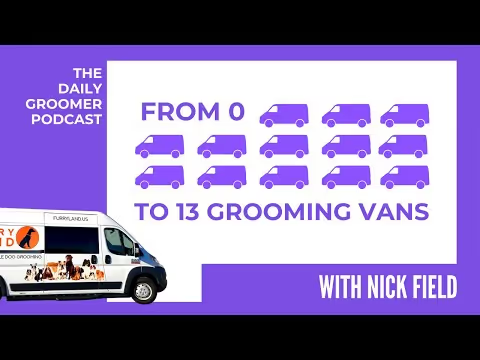
The clearest structural shift is the rise of mobile and house-call grooming. Low startup relative to a salon, premium pricing for convenience, and a client base that loves not loading an anxious dog into the car — the incentives all point the same way. Expect more solo mobile entrants and more established salons adding a van. It's a real trend with a real catch: routing and per-stop economics make or break profitability, so the tooling matters as much as the grooming.
The back office is going digital and AI-assisted
Two software shifts stand out. First, consolidation — groomers are tired of stitching together a booking app, a separate texting tool, and a payment terminal, and are moving to platforms that do it all. The pet-care software category has matured fast; this look at the state of pet-care software tracks that. Second, AI is arriving in a genuinely useful, un-hyped way: AI in pet grooming mostly means receptionists that answer missed calls and collect pet info while your hands are wet. Platforms like Teddy, MoeGo, and DaySmart are all moving in the consolidate-and-automate direction, at different speeds.
The squeeze: labor and earnings
The hardest problem in 2026 isn't demand, it's staffing. Skilled groomers and reliable bathers are hard to find and keep, which caps how fast a salon can grow and pushes owners toward efficiency and retention over hiring. That ties directly to pay — earnings expectations are rising, and shops that don't offer competitive, efficiency-driven compensation lose talent. For the earnings picture, see how much dog groomers make in 2026.
What to actually do about it
You don't need to chase every trend. You need to not be on the wrong side of the big three: be bookable online, communicate by text, and consolidate your admin so you spend your hours grooming, not chasing. For the deeper data-style breakdowns, the state of the industry trends report and the grooming industry trends and stats go further than this overview.
What this means for a solo groomer
Zoom back down to your own shop, because trends only matter if they change what you do Monday. The practical takeaways for a one-person or small operation are refreshingly concrete. Being findable online — a complete Google Business Profile and a booking link — is no longer optional; it's how a growing share of new clients reach you. Texting isn't a nice-to-have either; it's the channel clients expect and the one that keeps your calendar tight. And consolidating your admin into one tool instead of three saves the hours you'd rather spend grooming. You don't need to adopt every shiny thing. You need to not be on the wrong side of those three.
What's trend, and what's hype
Not everything labeled a "trend" deserves your money. AI receptionists are genuinely useful if you lose real business to missed calls, and pointless if your phone barely rings — the honest answer depends on your call volume, not the hype cycle. Fancy add-ons and marketing automations can help established shops but distract a new groomer who should be focused on filling a calendar. The durable trends are boring and reliable: online booking, text communication, and consolidated software. Chase those first, and treat the flashier stuff as optional upgrades you add once the fundamentals are humming — not as the thing that fixes a quiet week.
Frequently Asked Questions
What are the biggest pet grooming industry trends in 2026?
The standouts are the growth of mobile grooming, online booking becoming the default, text-first client communication, AI receptionists handling missed calls, software consolidation into all-in-one platforms, and an ongoing labor shortage. Being bookable online and communicating by text are the two that most directly affect whether a shop fills its calendar.
Is the pet grooming industry still growing?
Demand remains steady and grooming is relatively recession-resistant, since owners cut other pet spending before grooming. The bigger change is on the client-expectations side — people now expect online booking and text updates, so growth is shifting toward shops that modernize how they operate.
Why is mobile grooming growing so fast?
Mobile has lower startup costs than a salon, commands premium pricing for convenience, and appeals to owners who'd rather not transport an anxious pet. Those incentives are drawing more solo entrants and prompting salons to add vans, though tight routing is what makes it actually profitable.
How is AI being used in pet grooming?
Mostly in practical back-office ways — AI receptionists that answer missed calls, collect pet information, and send follow-up texts while the groomer works. It's less about the grooming itself and more about capturing leads and reducing admin, and it's an add-on several platforms now offer.
What's the hardest challenge for grooming businesses in 2026?
Staffing. Skilled groomers and dependable bathers are difficult to hire and retain, which limits growth and pushes owners toward efficiency, retention, and competitive pay. Many shops are responding by tightening operations and leaning on software rather than adding headcount.
The craft hasn't changed; the business around it has. Get bookable, get texting, and consolidate the admin — whether you do that with Teddy, MoeGo, or DaySmart, the groomers who modernize the front and back office are the ones filling their books in 2026.







































.avif)