How to Start a Dog Grooming Business
Licensing, startup costs, equipment, pricing, and the systems you need to book clients from day one
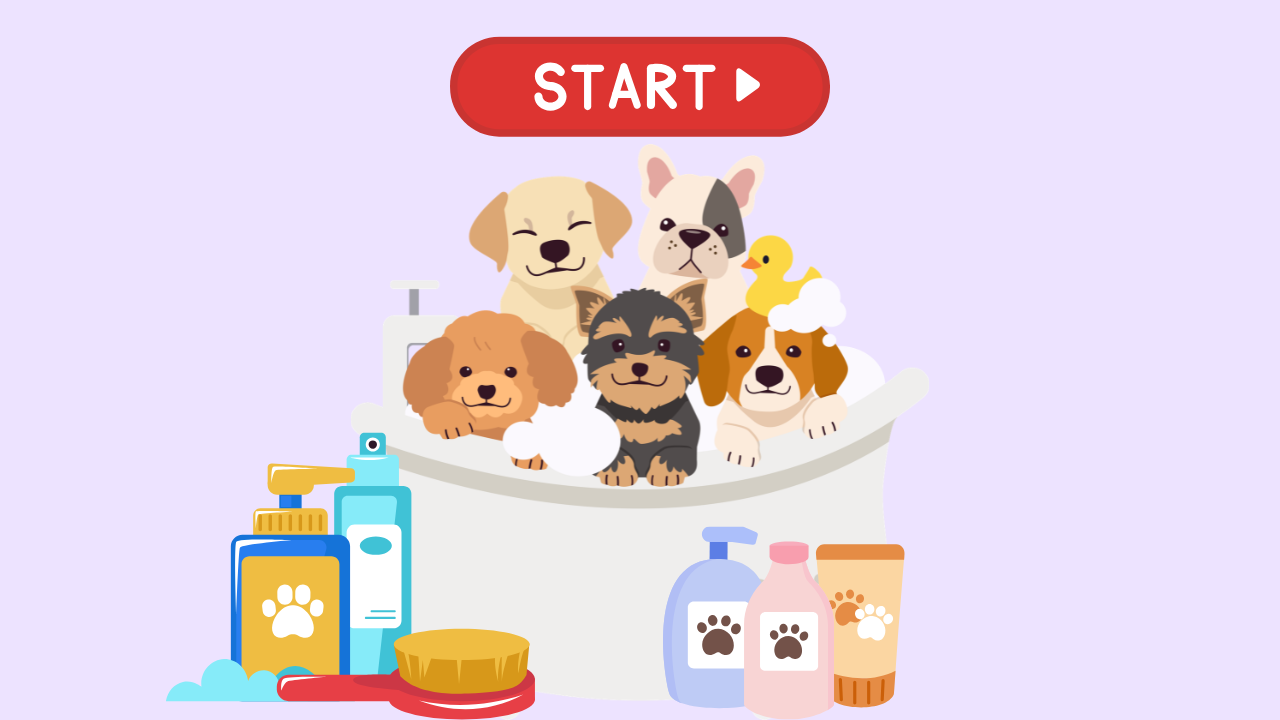
Turning a talent for grooming into a business you own is one of the most rewarding moves in this industry — and one of the most confusing to get started. There's licensing, equipment, insurance, pricing, and the small matter of getting clients to actually book. If you're figuring out how to start a dog grooming business and want a clear, unromantic checklist instead of vague encouragement, this is it. We'll go step by step, with real numbers, so you know what you're walking into before you buy your first pair of shears.
Step 1: Decide what kind of grooming business you're building
Before you spend a dollar, pick a model. Your choice changes your costs, your licensing, and your daily life.
- Home-based salon: Lowest overhead. You groom out of a converted garage or dedicated room. Great for testing demand, but check local zoning first.
- Commercial salon: A leased storefront. Higher cost and more foot traffic, better for building a team.
- Mobile grooming: A van or trailer you drive to clients. Higher startup cost for the vehicle, but strong margins and a loyal, convenience-driven clientele.
Not sure which fits? Mobile is booming, and our breakdown of how much mobile groomers make can help you weigh the earning potential against the startup outlay.
Step 2: Handle licensing, registration, and the legal basics
Grooming isn't federally licensed in the U.S., but that doesn't mean you skip paperwork. Most groomers need to:
- Register the business. An LLC is the common choice — it separates your personal assets from the business if something goes wrong with a client's dog.
- Get an EIN from the IRS (free) so you can open a business bank account and hire later.
- Check state and local requirements. Some cities require a kennel or animal-care permit, and a few states have grooming-specific rules. Call your county clerk — five minutes on the phone saves months of trouble.
- Secure a business license for your city or county.
Don't skip insurance
Grooming is hands-on with unpredictable animals. General liability plus pet-care (bailee) coverage protects you if a dog is injured on your table or bites someone in your lobby. Expect roughly $30–$60/month for a solo groomer. We cover this in depth in our grooming business insurance guide, because it's the step most new owners regret skipping.
Step 3: Budget your startup costs honestly
Here's a realistic range depending on your model. These are ballpark 2026 figures — your market will vary.
The takeaway: you can start home-based for a few thousand dollars, while a fully built mobile van is a serious investment. Start lean if you can, and reinvest as clients come in.
Step 4: Invest in the right equipment
You don't need the most expensive everything on day one, but a few things are worth the money because they affect your speed and your body:
- A quality grooming table with a good arm and loop — you'll spend hours here.
- A high-velocity dryer — cuts drying time dramatically, especially on double-coated breeds like Huskies and Golden Retrievers.
- Reliable clippers and a range of blades, plus quality shears you keep sharp.
- A tub with a decent sprayer and a ramp — your back will thank you.
Buy mid-range where it saves your body and time, and save on the extras until you're profitable.
Step 5: Set your prices (and don't undercharge)
New groomers almost always price too low out of nerves. Price for your skill and your market. Build a menu around breed, coat condition, and time — a matted Doodle full-groom should never cost the same as a bath-and-tidy on a smooth-coat Chihuahua.
A simple structure to start:
- Base price by size/breed (small, medium, large, giant).
- Add-ons: de-shedding, de-matting (charge by the quarter hour), nail grinding, teeth brushing, specialty shampoo.
- A matting/behavior surcharge so you're paid for the hard days.
Our dog grooming price list template gives you a ready-made menu you can adapt instead of guessing.
Step 6: Set up the systems that get you booked
This is where a lot of talented groomers stall. You can be the best scissor artist in town, but if clients can't easily book — and don't get reminded — you'll bleed revenue to no-shows and phone tag.
At minimum, you need:
- A calendar and online booking so clients can request appointments without calling.
- Automated reminders to cut no-shows.
- Client and pet records so you remember that Bella hates the dryer and Max needs a muzzle for nails.
- Digital intake forms and a service agreement signed before the first appointment.
This is exactly what grooming software handles, and it's the one monthly cost that pays for itself fast. Teddy bundles scheduling, request-based online booking, unlimited two-way texting, client CRM with pet profiles, and digital intake forms in one place — alongside options like MoeGo and DaySmart if you want to compare. Whatever you choose, don't try to run a modern grooming business on a paper book and your cell phone.
Cut no-shows from day one
No-shows are the silent killer of grooming income. A simple confirmation-plus-reminder text flow, backed by a clear cancellation policy, makes a real dent. See our guide on how to reduce grooming no-shows and late cancellations and grab a ready-made no-show and cancellation policy template.
Step 7: Get your first clients
Marketing doesn't have to be complicated when you're starting out:
- Set up a Google Business Profile — this is how local pet owners find you.
- Ask for reviews after every great groom. Social proof wins the next booking.
- Post before-and-afters on Instagram and a local Facebook group. A clean transformation of a scruffy Terrier sells itself.
- Offer a first-visit incentive to fill early gaps.
- Partner with local vets, shelters, and boarding facilities for referrals.
Consistency beats cleverness here. Show up, do great work, and ask for the review.
Step 8: Plan for growth
Once you're booked out, the question becomes whether to raise prices, hire a bather, or add capacity. Write it down before you're overwhelmed. A simple business plan keeps you honest about numbers and goals — our guide to building a grooming business plan walks through it.
Frequently Asked Questions
How much does it cost to start a dog grooming business?
A home-based setup can start around $3,000–$8,000 including equipment, licensing, and insurance. A commercial salon runs higher with lease and build-out, and a fully outfitted mobile van can reach $40,000–$100,000+. Software adds roughly $49–$199/month.
Do I need a license to start a dog grooming business?
There's no federal grooming license in the U.S., but you'll typically need to register your business, get a local business license, and check for city or state animal-care permits. Requirements vary by location, so confirm with your county clerk.
Is a dog grooming business profitable?
It can be. Margins are strong, especially for mobile groomers who charge a convenience premium. Profitability comes down to pricing correctly, keeping your calendar full, and minimizing no-shows — which is where good systems earn their keep.
How do I start a dog grooming business with no money?
Start home-based to minimize overhead, buy used mid-range equipment, and keep your first software costs low with an entry plan. Reinvest early profits into better tools rather than borrowing heavily up front.
What software do I need to run a grooming business?
At a minimum: scheduling, online booking, automated reminders, and client/pet records. Platforms like Teddy, MoeGo, and DaySmart bundle these together so you're not stitching apps together on day one.
Starting a grooming business is equal parts craft and operations. Nail the craft, and let a platform handle the booking, reminders, and records so you can spend your day with dogs instead of admin. If you want one place to run scheduling and unlimited client texting from your first appointment, Teddy was built for independent groomers — worth comparing as you set up shop.

















































.avif)