Gingr has a strong reputation, and it's earned — in the right setting. But "the right setting" is doing a lot of work in that sentence, because Gingr was built for boarding facilities and pet resorts first, with grooming as a secondary use. So a groomer evaluating it needs a grooming-specific read, not a generic five-star roundup. Here's an honest look at Gingr pros and cons for a grooming business, including the pricing reality, so you can tell quickly whether it fits your shop or overshoots it.
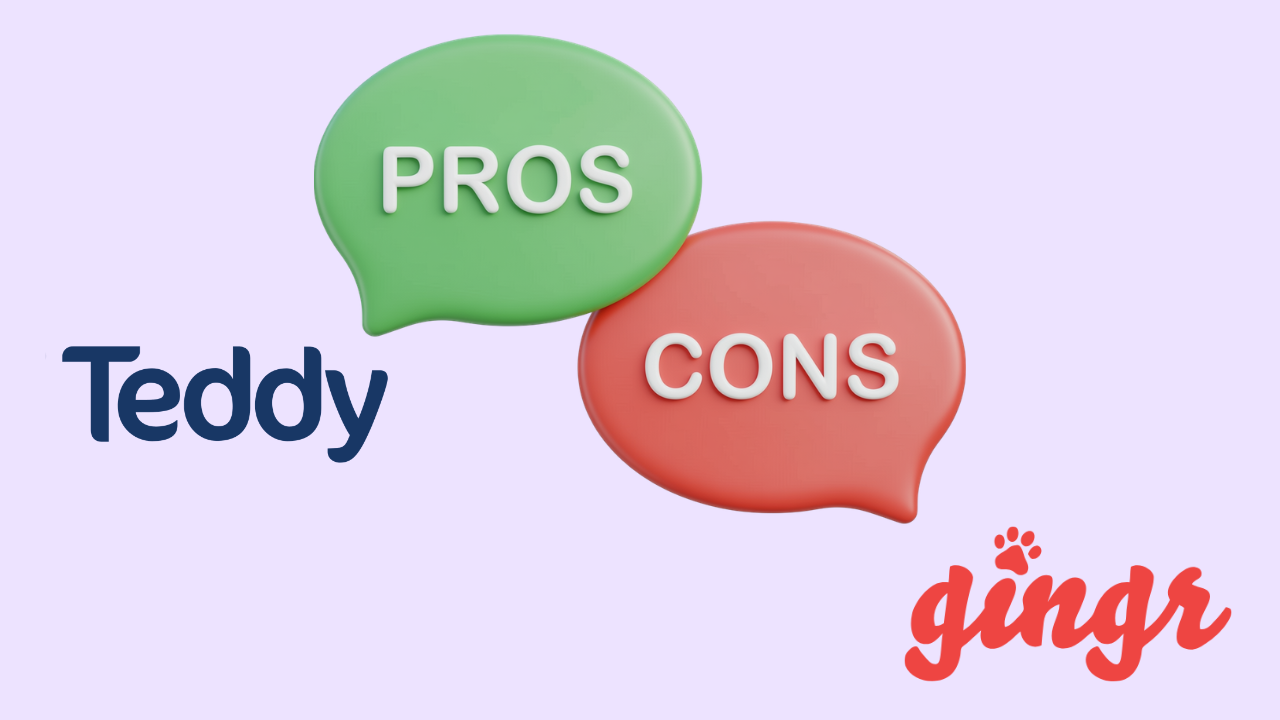
Pros and cons at a glance
The pros, in detail
Gingr is genuinely powerful. For a facility that boards, does daycare, and grooms, it manages the whole operation — kennel assignments, feeding schedules, daycare check-ins, and grooming appointments — in one system. Its online booking and reporting are capable, it's mature and well-supported, and businesses running multiple services under one roof get real value from that breadth. If you're a pet resort that also offers grooming, Gingr makes sense.
The cons, in detail
Now the grooming-specific catches. First, grooming isn't the star — it's a module inside a boarding-first platform, so the grooming workflow can feel secondary. Second, the pricing structure: core capabilities like payment processing, two-way SMS, and employee scheduling are often separate add-ons, so the true monthly cost runs well above the base per-location figure. Third, there's typically no free trial — you evaluate through a scheduled demo, and there can be setup and onboarding fees on top. For a grooming-only shop, that's a lot of commitment for features you won't fully use.
The pricing reality
As a 2026 snapshot (verify current rates): Gingr's per-location plans start around $109/mo for its grooming/spa-oriented tier and climb for daycare and boarding, with enterprise pricing for multi-site. Add the unbundled features and setup fees, and a grooming shop's real number is higher than the sticker. Compare that with a flat-rate grooming tool where texting and booking are included, and the gap is clear for a small operation. The full Gingr review breaks the tiers down further.
Who should pick Gingr — and who shouldn't
- Pick Gingr if: you run a boarding or daycare facility that also grooms, want everything in one system, and will use the facility-grade features.
- Skip Gingr if: you're a grooming-only shop or solo/mobile groomer — you'll pay for depth you don't need, deal with add-on pricing, and can't trial it first.
If you're in the second group, a grooming-focused tool fits better. Teddy, for instance, bundles unlimited two-way texting and booking without add-ons and offers a free trial — see the Teddy vs Gingr comparison.
Running the real math for a grooming shop
The sticker price rarely tells a groomer the true cost with Gingr, so do the arithmetic before a demo. Start with the per-location base for the tier you'd need, then add the pieces that are frequently separate — two-way SMS, payment processing, employee scheduling, marketing tools — and layer in any setup or onboarding fee. For a grooming-only shop, that stack can climb well past what a flat-rate grooming platform charges all-in. The exercise isn't meant to bash Gingr; it's to make sure you're comparing your actual monthly outlay, not a base figure that omits half the features you'd use. Facilities that need the full suite often find it worth it. Grooming-only shops frequently find they're funding capability they'll never touch.
Avoid the surprise-fee sting
A recurring complaint from reviewers is unexpected charges — setup costs, payment-gateway fees, add-ons that weren't obvious upfront. If you do pursue Gingr, go into the demo with a written list of every feature you need and ask, point blank, what each one costs and whether it's included. Get the all-in monthly and any one-time fees in writing before you sign. That single habit turns a potential "why is my bill higher than I expected?" moment into a clear-eyed decision, and it's good practice with any software that prices features as separate add-ons rather than bundling them.
Frequently Asked Questions
What are the main pros and cons of Gingr for groomers?
The pros are deep facility features, a powerful platform, and solid booking and reporting for multi-service operations. The cons for groomers are that grooming is secondary, core features like SMS and payments are paid add-ons, there's no free trial, and per-location pricing plus setup fees make it overkill for a grooming-only shop.
Is Gingr good for a grooming-only business?
Not usually. Gingr is built primarily for boarding and daycare facilities, so a grooming-only shop pays for depth it won't use and navigates add-on pricing for basics. Grooming-focused tools are a better fit unless you also run boarding or daycare.
Does Gingr have a free trial?
Typically no — Gingr is evaluated through a scheduled demo rather than a self-serve free trial, and there can be setup and onboarding fees. If trying software before you buy matters to you, several grooming-focused alternatives offer free trials.
How much does Gingr cost for a grooming business?
As of 2026, per-location plans start around $109/mo for its spa/grooming tier and rise for daycare and boarding, with core features like SMS and payments often priced as add-ons. Factor those extras and setup fees in, since the real monthly cost runs higher than the base figure.
What's a good alternative to Gingr for groomers?
For grooming-only shops, tools like Teddy (flat-rate with unlimited texting and a free trial), GrooMore (budget), and MoeGo (mobile) fit better than a boarding-first platform. If you still need light boarding, DaySmart Pet is a lighter multi-service option.
Gingr is excellent software aimed at boarding-and-daycare facilities. For a grooming-only or mobile shop, its strengths are largely wasted and its add-on pricing works against you. Match the tool to your services — and if you're grooming-focused, try a flat-rate grooming platform like Teddy before committing to a demo-only contract.





































.avif)